The Most Important Photographs Are the Ones We Never Took
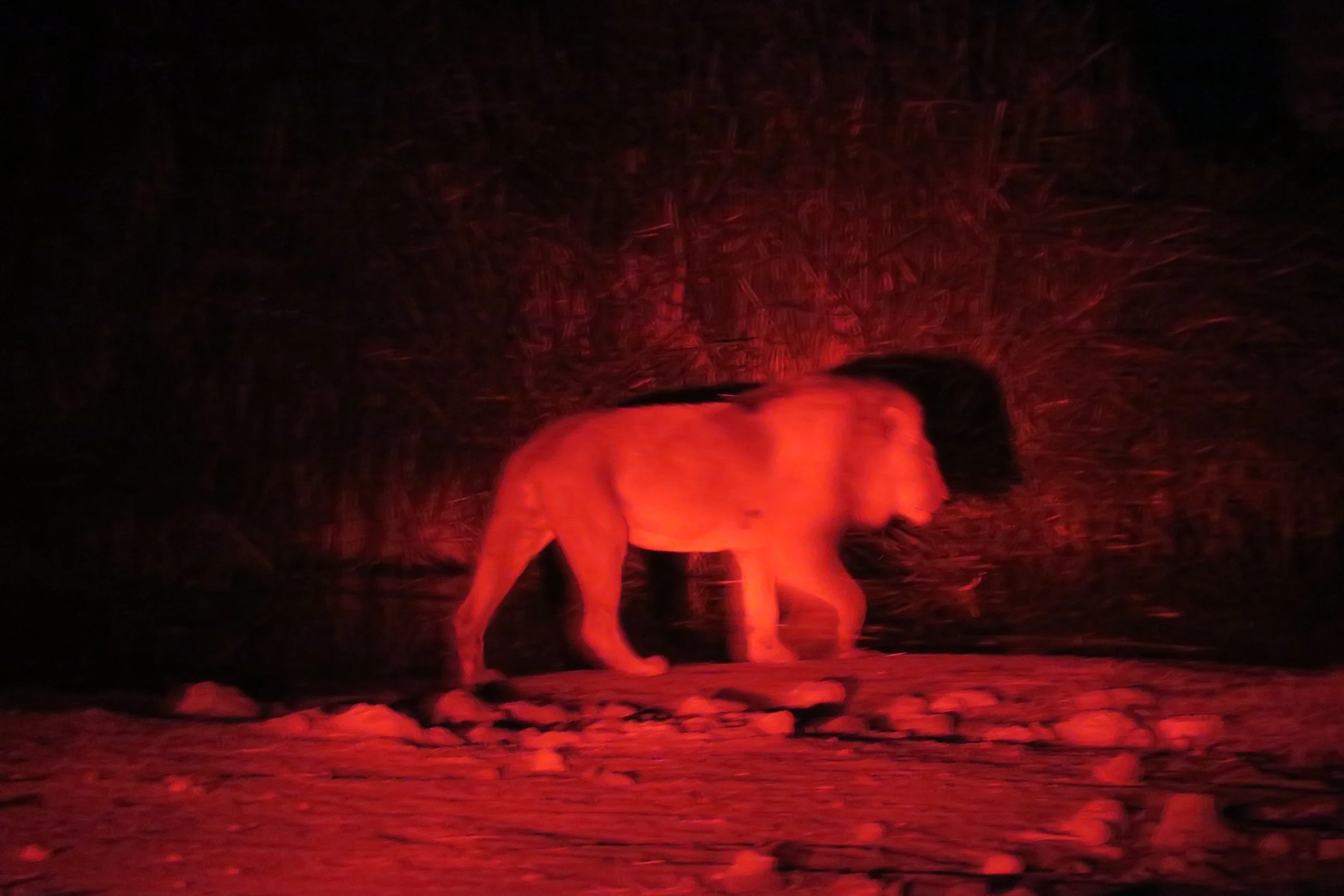
A lion at night. The wrong camera. The wrong settings. The right moment.
There are photographs hanging on the walls of our home.
Photographs printed in albums.
Photographs shared on social media.
And then there are the ones we carry only in our memory.
Paradoxically, those are often the ones we remember most.
Our story with photography began that way.
Not with a perfect shot.
But with a collection of moments we failed to capture.
The First Safari
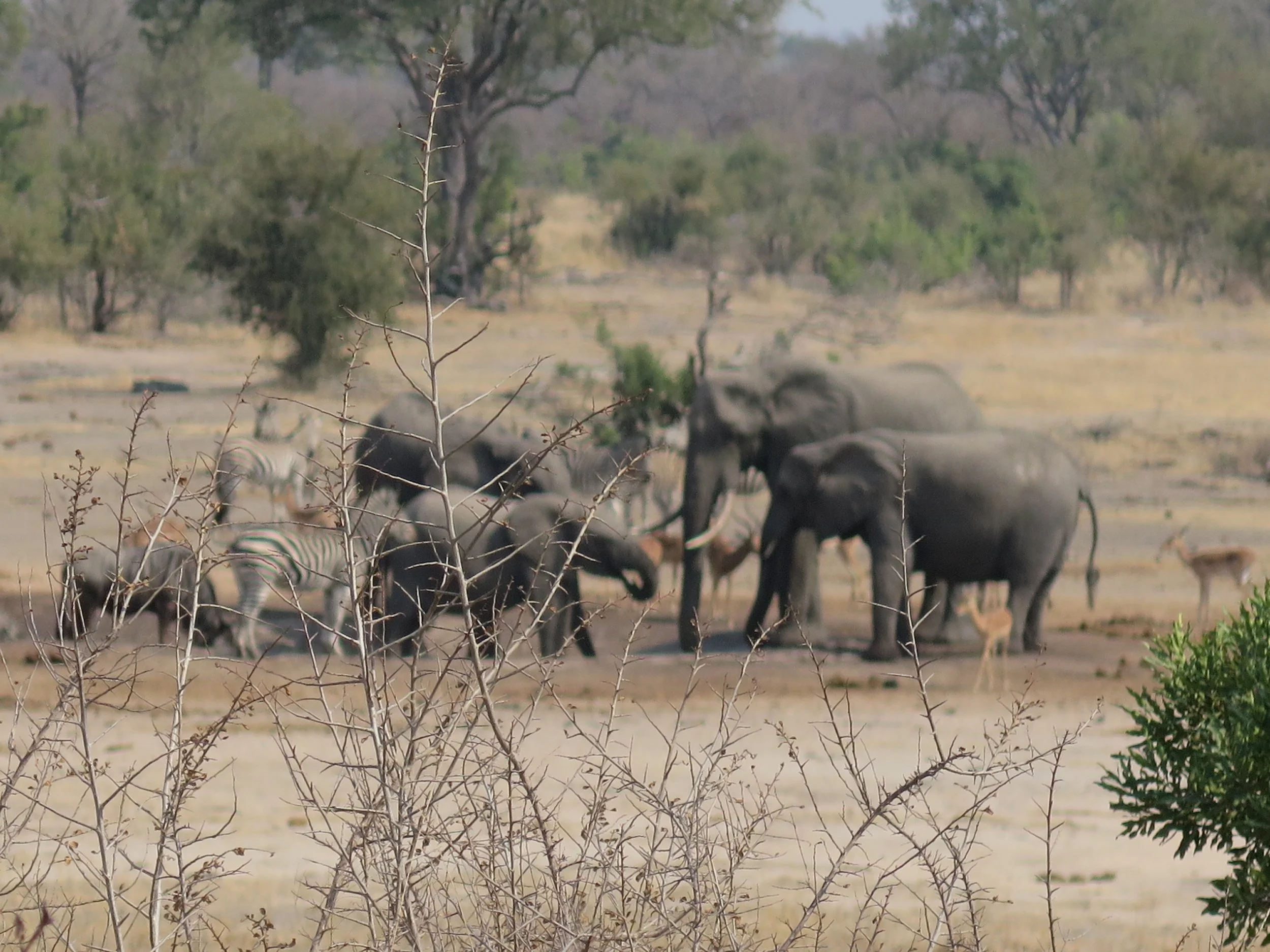
Elephants, zebras and impalas. All just a few metres away. And yet, the photograph never happened.
When we left for our first safari in South Africa in 2019, we weren’t photographers.
We were simply two curious travellers.
We carried a small compact camera and one goal: to bring home as many memories as possible.
We knew nothing about shutter speed.
Nothing about ISO.
Nothing about autofocus.
We shot almost everything in automatic mode.
And honestly, we thought that would be enough.
During that trip, we saw animals we had dreamed about for years.
Lions.
Elephants.
Rhinos.
Buffalo.
Even a cheetah on our very first game drive.
We came home thrilled.
Then we opened the photographs on a computer screen.
That was when the first lesson arrived.
Many of the moments we had experienced had never truly become photographs.
The animals were too far away.
The images lacked detail.
Some memories had remained exactly that — memories.
We Thought We Just Needed More Zoom
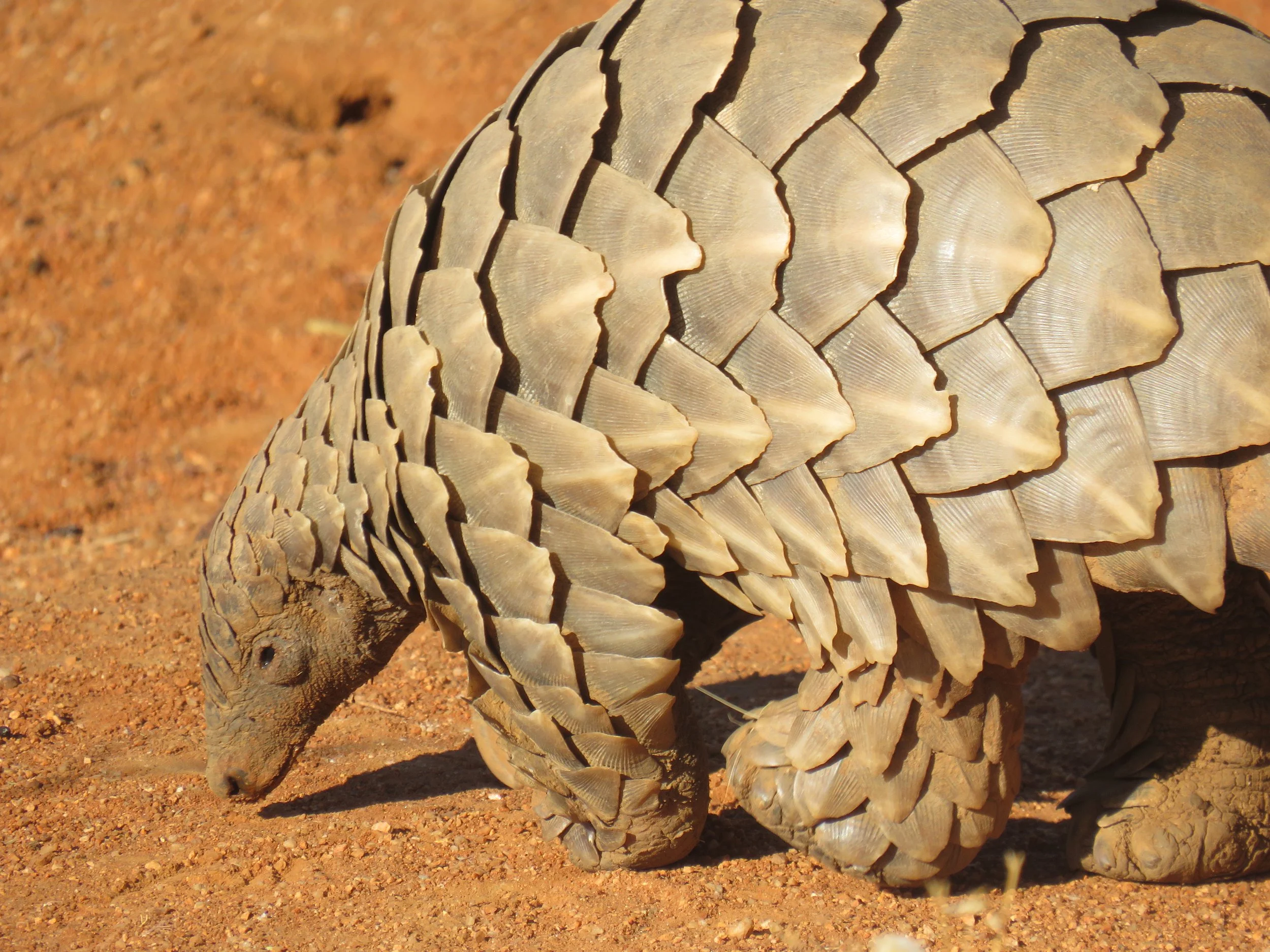
The pangolin in Namibia. One of the rarest wildlife sightings of our lives. We could have done so much better.
For our next trip, to Namibia, we were convinced we had figured out the problem.
We needed more reach.
We bought a new camera with a much longer zoom lens and believed we had solved everything.
In reality, we had only begun to understand how much we still had to learn.
That trip was extraordinary.
We saw lions.
Cheetahs.
Leopards.
Even a pangolin.
To this day, it remains one of the most remarkable wildlife encounters we’ve ever had.
Our guide told us he hadn’t seen one in nearly ten years.
And yet, despite all that luck, we still missed photographs.
I remember a lion looking directly at us for just a few seconds.
I pressed the shutter.
The camera searched for focus.
And the moment was gone.
I remember a leopard hidden in tall grass.
We were convinced we had captured something special.
Only once we got home did we realise the camera had focused on the grass instead of the leopard’s eyes.
The photograph we had imagined simply didn’t exist.
The Photograph That Doesn’t Exist
Over the years, we learned something important.
Equipment matters.
It matters a lot.
Especially on safari.
But it isn’t the most important thing.
The most important thing is knowing what to do when the moment arrives.
Because a leopard won’t wait.
A lion won’t turn its head the same way twice.
A cheetah won’t slow down because you’re not ready.
So we started learning.
Making mistakes.
Trying again.
Spending hours in the field with a camera in our hands.
Little by little, we realised that photography isn’t about pressing a button at the right moment.
It’s about being ready when that moment arrives.
With time, we learned how to read light.
How to anticipate animal behaviour.
How to recognise situations that years earlier would have passed us by completely.
Most importantly, we learned to understand both the limits of our cameras and our own.
The Photographs That Taught Us the Most
The truth is that some of the most important photographs of our lives don’t exist.
We don’t have the perfect photograph of that pangolin.
We don’t have the image we imagined of that leopard hidden in the grass.
We don’t have the photograph we wanted of that lion staring back at us.
But we remember those moments perfectly.
And perhaps that is exactly why they taught us so much.
Every missed photograph pushed us to improve.
Every mistake taught us something.
Every journey sent us home with another question to answer.
Today
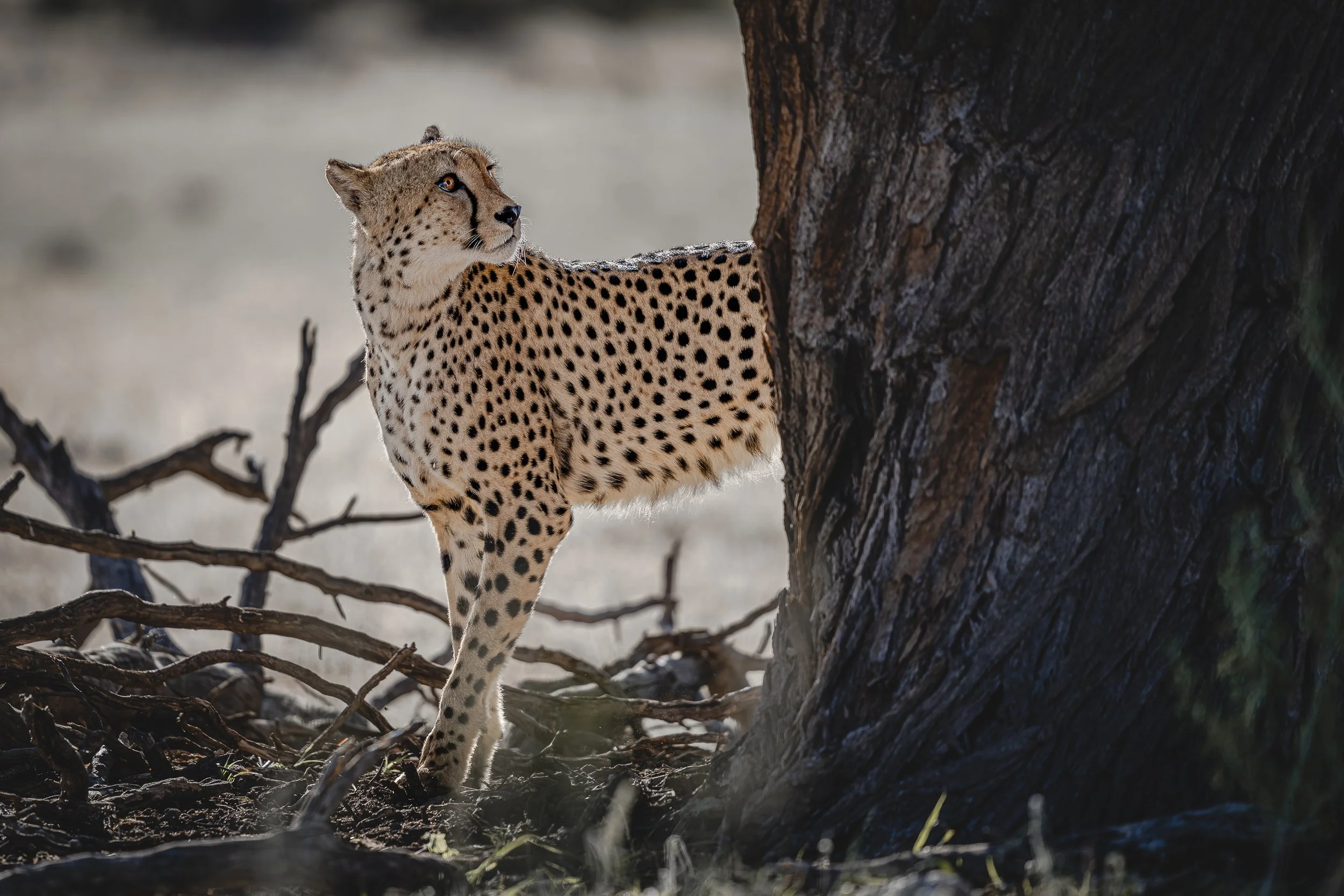
Today, we know how to wait for the right moment.
When we leave for safari today, we carry very different equipment from the gear we used on those first trips.
But more importantly, we carry years of experience, mistakes, lessons and learning.
We still don’t come home with every photograph we imagined.
Nature continues to surprise us.
Animals continue to do exactly what they want.
And that’s part of what makes it so special.
One thing has changed, though.
Over time, we have learned how to observe.
How to read the light.
How to interpret animal behaviour.
How to recognise those moments that last only a few seconds.
And when we travel through Africa with other people, we share everything we have learned along the way.
Because we know how frustrating it can be to come home and realise that one of the most powerful moments of your life exists only in your memory.
Although, sometimes, those are the photographs we remember most.
Chanty & Marco